



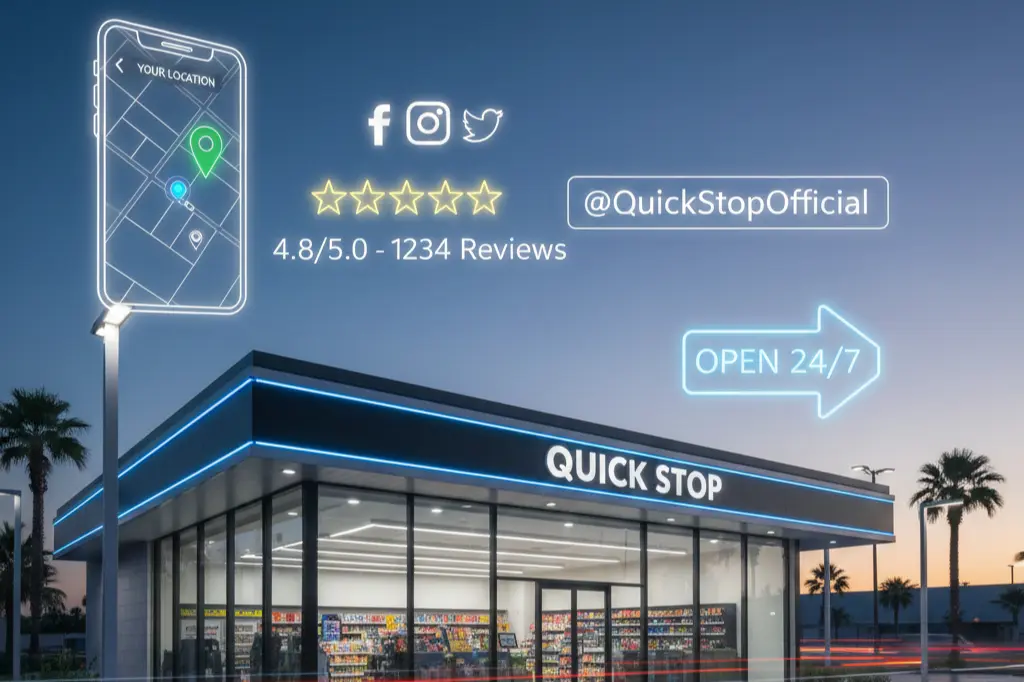
The convenience store industry is evolving faster than ever before. Gone are the days when location alone guaranteed success. Today’s consumers research online before they visit, compare prices on their phones while standing in your aisle, and share their experiences across social media platforms instantly.
We’ve worked with convenience store owners across multiple markets, and one truth stands out: digital marketing isn’t optional anymore—it’s the lifeline connecting your store to customers who are actively searching for what you offer. With over 150,000 convenience stores in the United States competing for attention, standing out requires more than just good products and friendly service.
Why Digital Marketing Matters for Convenience Stores
Let’s be honest. Your competition isn’t just the store down the street anymore.
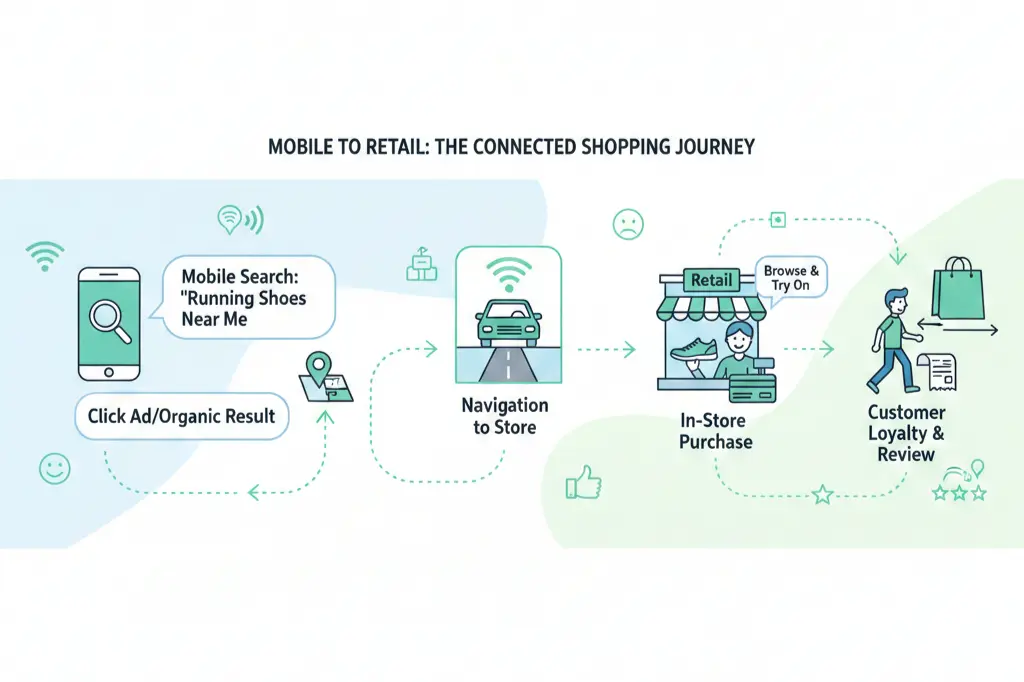
Consumers are shopping more strategically in 2025, planning their trips and comparing options before making deliberate choices about where to spend money. They’re checking reviews. Scrolling through Instagram. Asking Google “convenience store near me” while sitting at a red light three blocks away.
Digital marketing resources give you the tools to meet customers exactly where they are—on their smartphones, laptops, and tablets. We’re talking about visibility that translates to foot traffic, engagement that builds loyalty, and data that helps you make smarter business decisions.
1. Website & User Experience: Your Digital Storefront
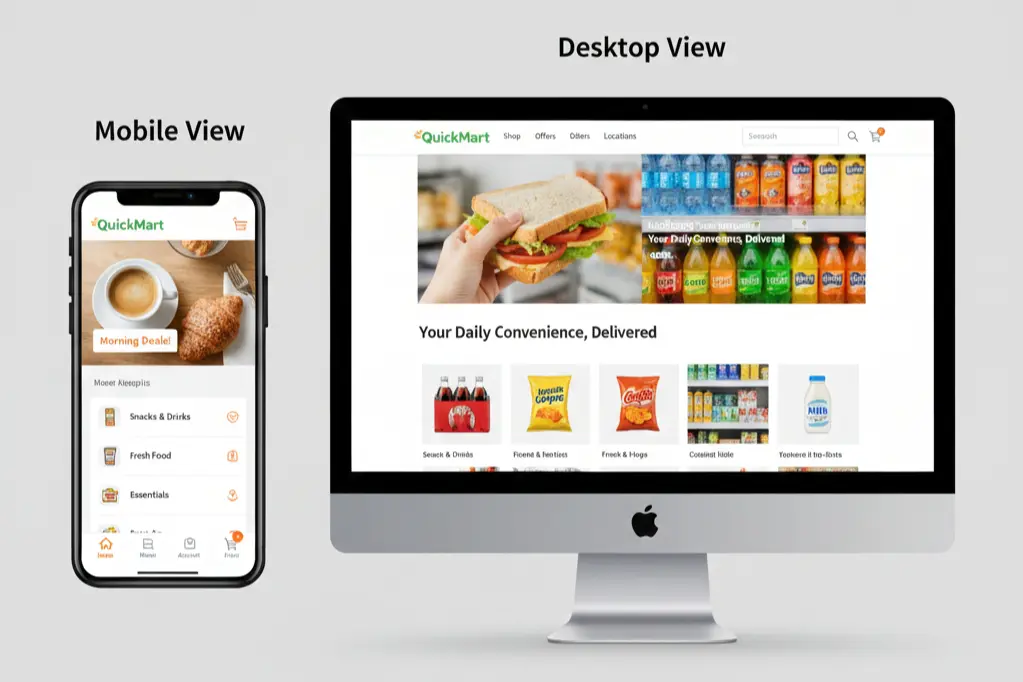
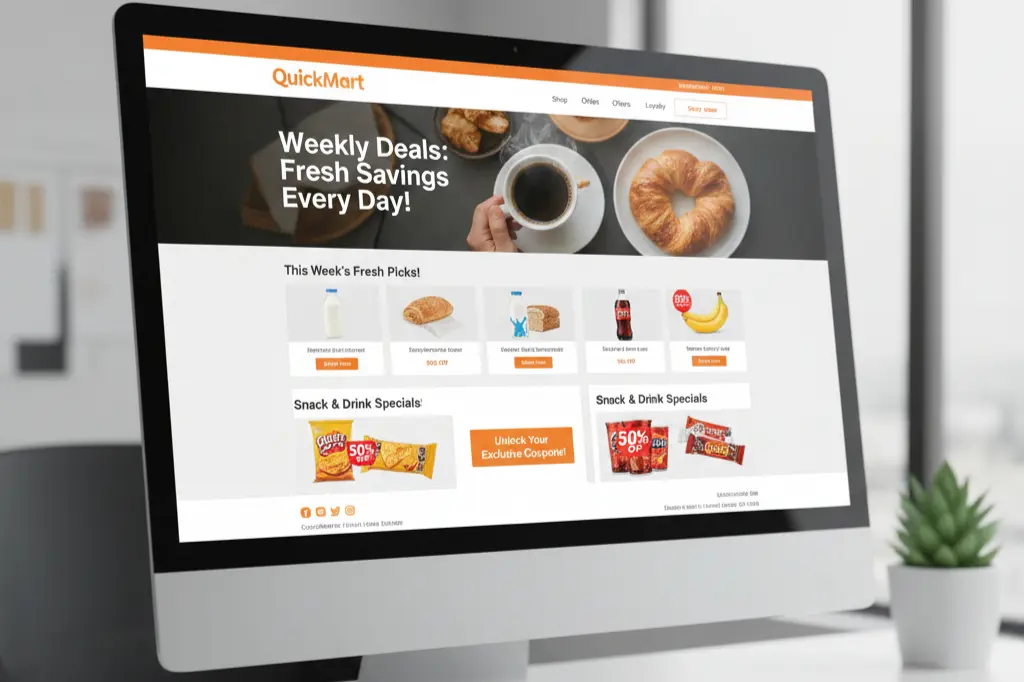
Here’s something we’ve learned from countless store owners: your website forms the first impression before customers ever step through your door.
Think about it. Someone searches for your store name after seeing your location on Google Maps. What do they find? A slow-loading site with outdated information? Or a clean, mobile-friendly experience that tells them exactly what they need to know?
Why This Matters
Your website serves as your 24/7 digital representative. When we’ve audited convenience store websites, the patterns are clear: 62% of consumers are less likely to convert if they have a negative mobile site experience.
Essential website elements include:
- Store hours and location with embedded maps
- Current promotions and special offers
- Product categories and services available
- Easy-to-find contact information
- Mobile-responsive design that loads in under 3 seconds
Quick Wins for Your Website
Start simple. Add click-to-call buttons. Update your hours. Include photos of your store interior so customers know what to expect. We’ve seen these small changes dramatically improve the customer experience and drive more foot traffic.
2. Customer Engagement Platforms That Build Loyalty
Loyalty isn’t built on transactions alone. It’s built on personalized experiences that make customers feel valued.
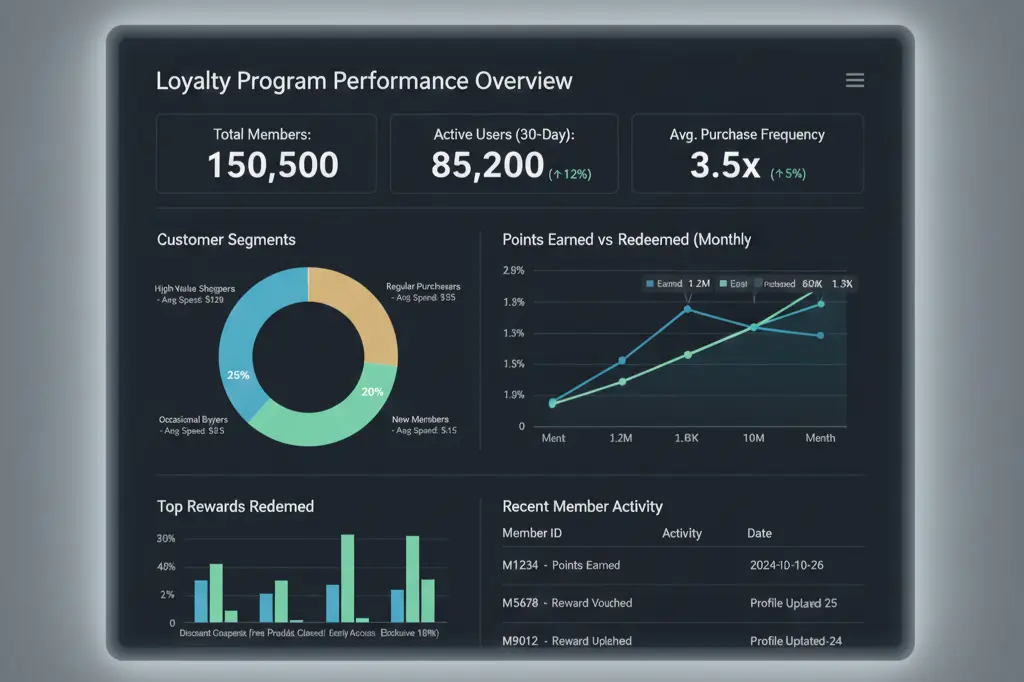
Customer engagement platforms help you collect valuable data about shopping habits, preferences, and behaviors—then use that intelligence to create targeted campaigns that actually resonate.
What These Platforms Do
We’re talking about systems that:
- Segment your audience based on purchase patterns
- Automate personalized offers and rewards
- Track campaign performance in real-time
- Send push notifications for time-sensitive promotions
- Measure customer lifetime value
Nearly three-quarters of shoppers are already enrolled in convenience store loyalty programs, and 85% say they’d join for personalized perks. That’s massive opportunity sitting right there.
Building Loyalty That Lasts
Think beyond “buy 10, get 1 free” punch cards. Modern customer engagement means knowing that certain customers always buy coffee between 7-8 AM, then sending them a personalized offer for a breakfast sandwich at exactly the right moment.
3. Mobile Marketing Tools for On-the-Go Shoppers
Your customers live on their phones. Shouldn’t your marketing meet them there?
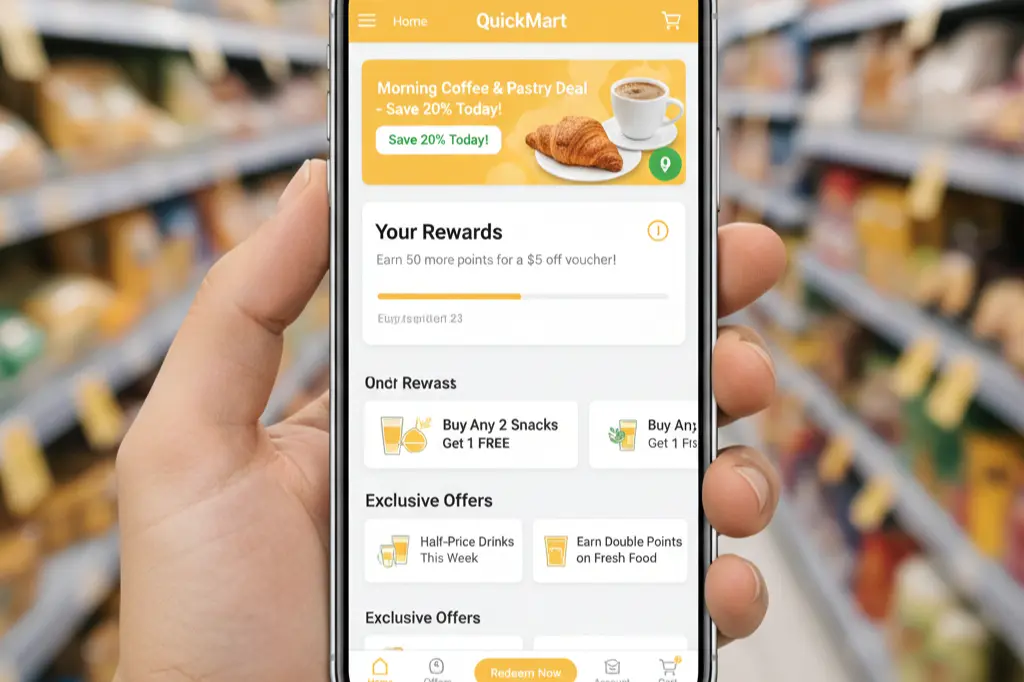
Mobile marketing tools allow you to reach shoppers precisely when they’re making decisions about where to stop. We’re talking about geotargeted ads, SMS campaigns, and app-based notifications that influence behavior in real-time.
Strategic Mobile Approaches
Geofencing ads for convenience stores can achieve 300% ROI, especially within a 3-mile radius. That’s not hype—that’s location-based targeting at work.
Effective mobile tactics:
- QR codes at checkout linking to exclusive mobile offers
- SMS alerts for flash sales and new product launches
- Mobile app with integrated rewards program
- Geofenced promotions triggering when customers enter your radius
- Mobile-optimized landing pages for advertising campaigns
4. Social Media Marketing Strategies That Convert
Social media isn’t just for big brands with massive budgets. We’ve seen independent convenience stores build thriving communities using nothing more than consistent, authentic content.
Content That Connects
Your social media marketing should showcase what makes your store unique. Behind-the-scenes glimpses of new product arrivals. Staff spotlights. Local community involvement. Customer success stories.
57% of consumers patronize brands they follow online, which proves that social engagement directly impacts foot traffic and sales.
Platform priorities for convenience stores:
- Facebook: Community building and local event promotion
- Instagram: Visual storytelling with product highlights and daily specials
- TikTok: Short-form content reaching younger demographics
- Google Business Profile: Reviews, updates, and local visibility
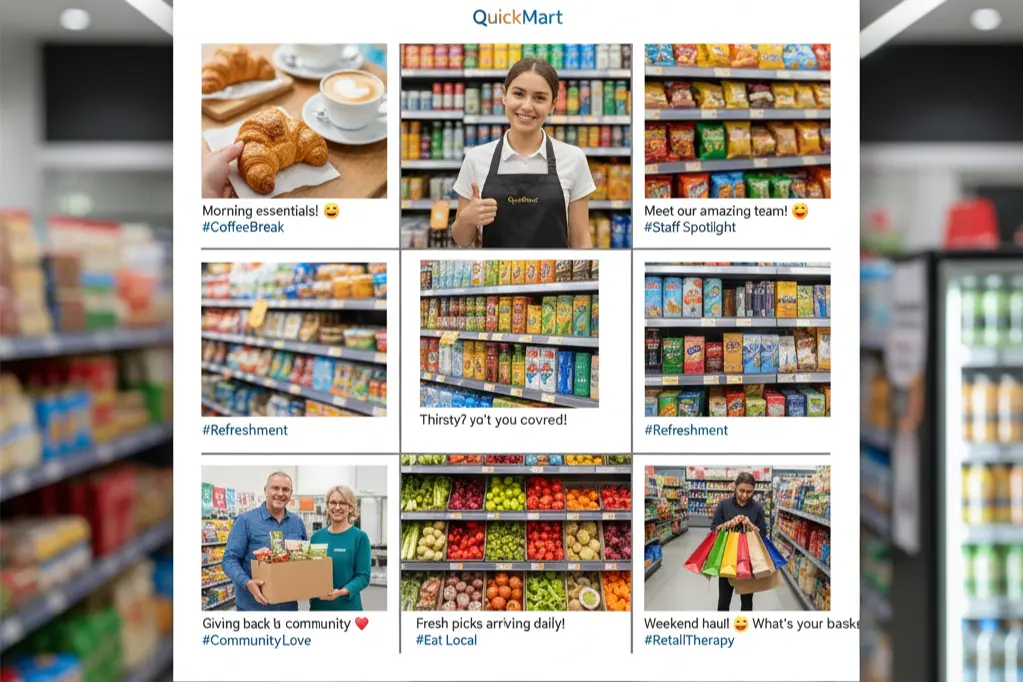
Making Social Media Work
Post consistently but authentically. Share user-generated content from happy customers. Run simple contests. Respond to comments promptly. These basic practices compound over time into genuine brand loyalty.
5. Email Marketing Campaigns That Drive Repeat Visits
Email might seem old-school, but it remains one of the highest-ROI digital marketing channels available to convenience stores.
Segmentation Changes Everything
Not every customer should receive the same message. We’ve found that segmenting email lists based on purchase behavior dramatically improves open rates and conversions.
Powerful email segments:
- High-frequency customers (weekly visitors)
- Lapsed customers (haven’t visited in 30+ days)
- New customers (first purchase within last 14 days)
- Category-specific shoppers (fuel-only vs. food purchasers)
Email campaign ideas:
- Weekly specials announcements
- Birthday rewards for loyalty members
- Re-engagement offers for dormant customers
- New product launch previews
- Seasonal promotions and limited-time offers
6. Local SEO & Google Business Profile Optimization
When someone searches “convenience store near me,” does your business appear? If not, you’re leaving money on the table.
Local SEO ensures your store shows up in the critical moments when customers are actively looking for what you sell.
Optimizing Your Local Presence
Your Google Business Profile is free advertising that works 24/7. Yet we’ve audited dozens of convenience store profiles with incomplete information, outdated photos, and zero engagement with customer reviews.
Must-do local SEO tactics:
- Claim and verify your Google Business Profile
- Add complete business information including hours, phone, website
- Upload high-quality photos of store exterior, interior, and products
- Respond to every review (positive and negative)
- Post regular updates about promotions and events
- Use local keywords naturally in your website content
- Build citations on relevant business directories
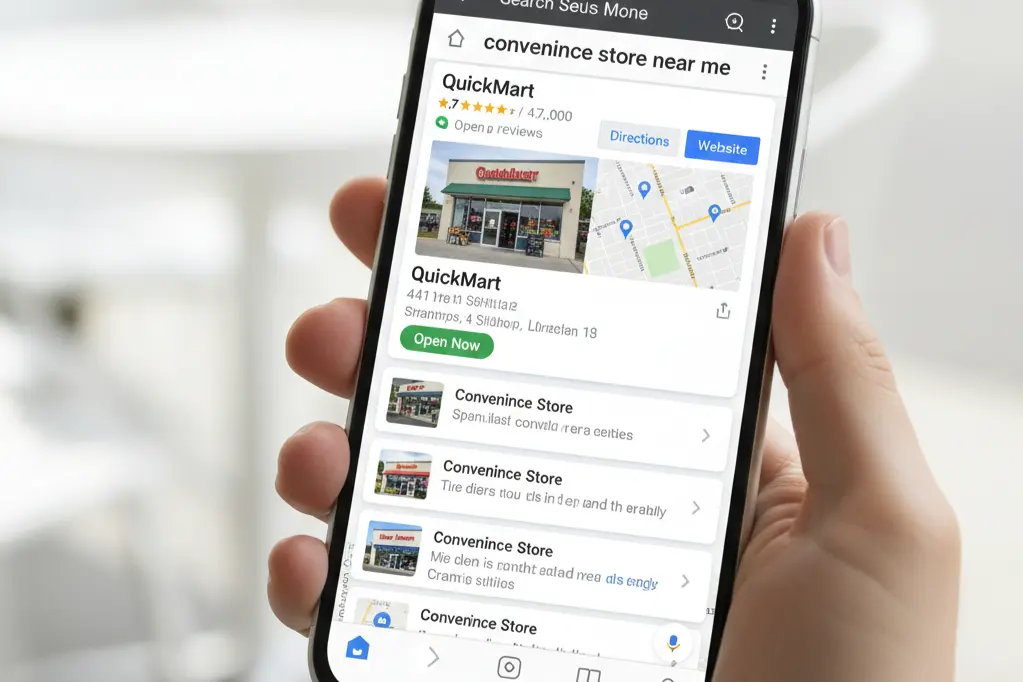
The Power of “Near Me” Searches
Over 60% of retailers plan to increase investment in geotargeting and real-time analytics technologies. That’s because local searches with high commercial intent drive immediate results.
7. Online Review Management Systems
Your reputation online directly impacts your revenue offline. Simple as that.
Online reviews influence purchasing decisions more than any advertisement you could run. They’re social proof that your store delivers on its promises.
Managing Your Digital Reputation
We’ve seen stores transform their customer perception by implementing systematic review management. It’s not about gaming the system—it’s about consistently delivering great experiences and asking satisfied customers to share them.
Review management best practices:
- Request reviews via QR codes at checkout
- Send follow-up emails after purchases asking for feedback
- Respond to all reviews within 24-48 hours
- Thank customers for positive reviews genuinely
- Address negative reviews professionally with solutions
- Feature testimonials on your website and social media
- Monitor review sites regularly (Google, Yelp, Facebook)
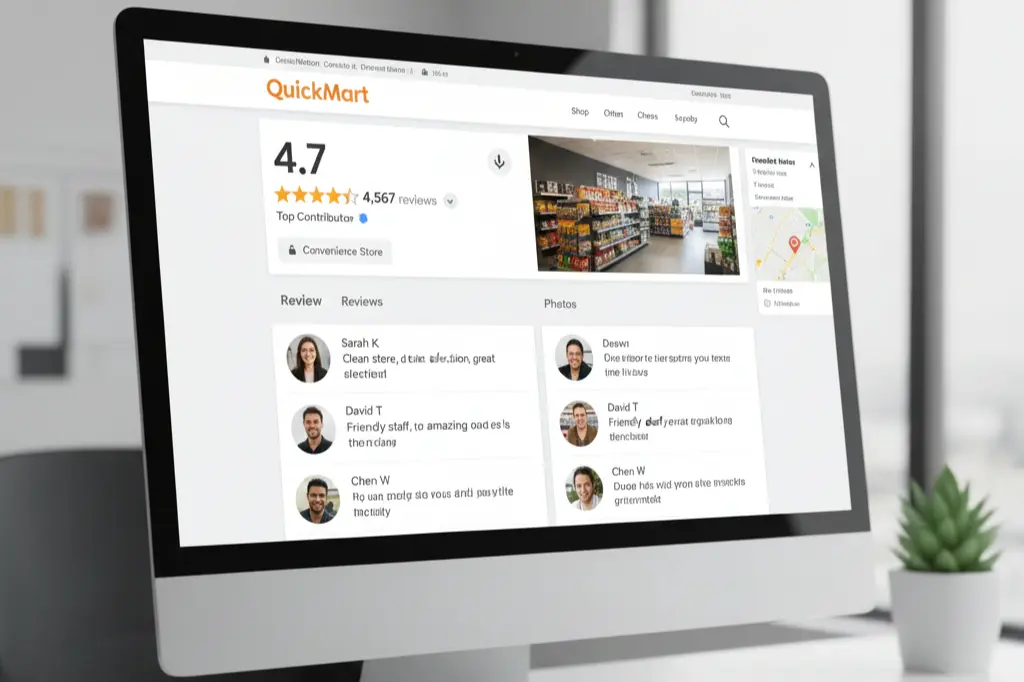
Turning Reviews Into Marketing Assets
Every positive review is user-generated content. Screenshot them. Share them. Let happy customers do the marketing for you.
8. Influencer & Community Marketing Partnerships
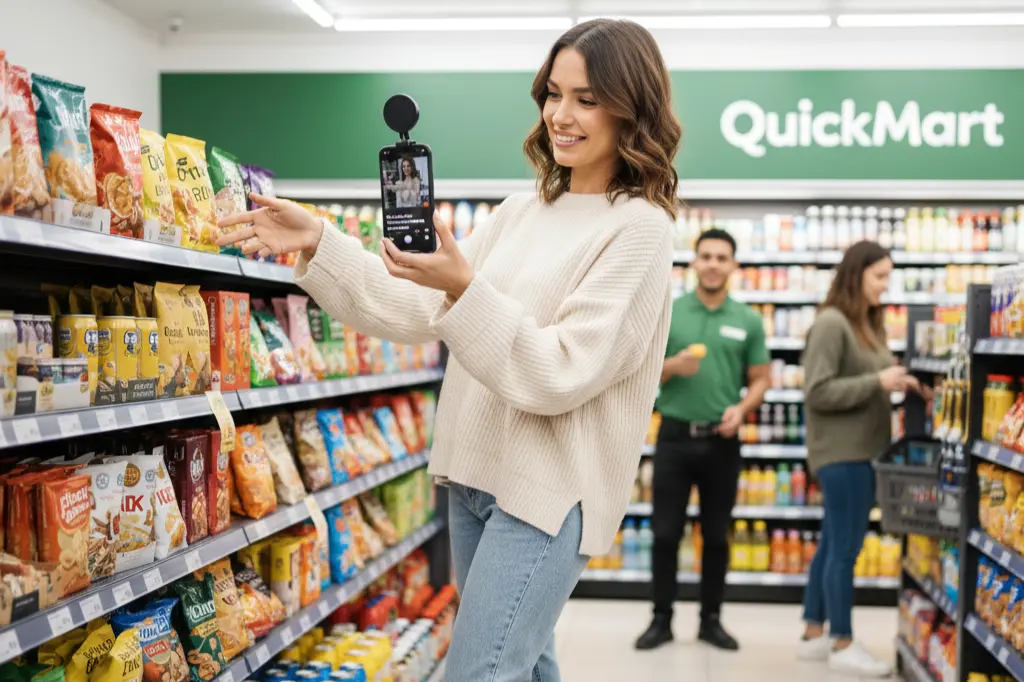
You don’t need celebrity endorsements to make influencer marketing work. Local influencers with engaged audiences in your community can drive significant awareness and foot traffic.
Community-Centered Approach
Influencer marketing for convenience stores works best when it’s authentic and locally focused. We’re talking about partnering with community figures who genuinely connect with your target customers.
Partnership opportunities:
- Local food bloggers reviewing your fresh offerings
- Community leaders promoting your store’s neighborhood involvement
- Micro-influencers with 1,000-10,000 highly engaged local followers
- School partnerships and youth sports team sponsorships
- Local event collaborations and activations
Making It Work
Start small. Invite local content creators to try new products. Sponsor little league teams. Host community events. These grassroots efforts build authentic connections that paid advertising simply can’t replicate.
Key Takeaways
Implementing these digital marketing resources positions your convenience store for sustainable growth in an increasingly competitive market.
The bottom line: Modern consumers expect convenience stores to have a strong digital presence. Meeting them where they are—online, on mobile, on social media—isn’t optional anymore.
Remember these core principles:
- Your website is your digital storefront—make it count
- Personalized engagement builds customer loyalty
- Mobile-first marketing captures on-the-go shoppers
- Social media creates community around your brand
- Email marketing drives repeat visits cost-effectively
- Local SEO connects you with high-intent customers
- Reviews build trust and credibility
- Community partnerships amplify your reach
Frequently Asked Questions
What’s the most cost-effective digital marketing strategy for small convenience stores?
Starting with Google Business Profile optimization and basic local SEO provides the highest ROI with minimal investment. These free tools connect you with customers actively searching for stores like yours. Pair this with consistent social media presence, and you’ve built a solid foundation without breaking the bank.
How often should convenience stores post on social media?
Consistency matters more than frequency. We recommend 3-5 posts weekly across your primary platforms. Focus on quality content that provides value—product highlights, promotions, community involvement—rather than posting just to maintain a schedule. Monitor engagement metrics to find what resonates with your audience.
Do convenience stores really need email marketing?
Absolutely. Email marketing delivers one of the highest ROI of any digital channel. Segmented campaigns targeting specific customer behaviors (like lapsed visitors or frequent purchasers) drive measurable increases in foot traffic and sales. Start with a simple monthly newsletter, then expand based on results.
How important are online reviews for convenience stores?
Critical. Reviews directly impact your local SEO rankings and influence customer decisions. A strong review profile builds trust before customers visit. Implement a systematic approach to requesting reviews from satisfied customers, and always respond professionally to feedback—both positive and negative.
Should convenience stores invest in paid advertising?
Once you’ve optimized your organic presence (website, local SEO, social media), strategic paid advertising can amplify results. Start with highly targeted campaigns: mobile marketing with geofencing, social media ads focused on local audiences, or Google Ads targeting high-intent search terms. Track ROI carefully and scale what works.
How can small stores compete with major chains online?
Your advantage is authenticity and community connection. Major chains can’t match the personal relationships and local knowledge you bring. Highlight what makes you unique: personalized service, community involvement, locally-sourced products. Use customer engagement platforms to deliver personalized experiences that big boxes can’t replicate.
What metrics should convenience stores track for digital marketing?
Focus on metrics tied directly to business outcomes: foot traffic changes, new customer acquisition, customer retention rates, average transaction value, and ROI per marketing channel. Digital marketing generates data—use it to make informed decisions about where to invest your time and budget.
Transform Your Convenience Store’s Digital Presence Today
The convenience store landscape has shifted dramatically. Digital marketing isn’t coming—it’s already here, and stores that adapt are capturing market share from those that don’t.
We’ve worked with convenience store owners who felt overwhelmed by the digital shift. They worried about the cost, the time commitment, and whether they could keep up with changing technology. Here’s what we’ve learned: you don’t need to do everything at once.
Start with one or two digital marketing resources from this list. Master them. Then expand. Build your digital presence systematically, and you’ll see measurable results in foot traffic, customer loyalty, and revenue growth.
At Paradigm Media Networks, we specialize in creating tailored digital strategies specifically for convenience stores—strategies that drive real business results, not just vanity metrics. We understand the unique challenges you face: tight margins, high competition, and customers with increasingly digital expectations.
Ready to stop losing customers to competitors with stronger digital presence?
We’ve helped dozens of convenience stores transform their digital marketing from overwhelming to profitable. Our team develops customized strategies based on your specific market, customer base, and business goals. No cookie-cutter approaches—just strategies that work for your unique situation.
Let’s build your digital marketing strategy together. Partner with experts who understand convenience store marketing inside and out. We’ll help you implement the right mix of resources to maximize ROI while fitting your budget and timeline.
Visit paradigmmedianetworks.com to discover how we’ve helped convenience stores like yours dominate their local markets through smart, data-driven digital marketing. Your competitors are already investing in their digital presence. Don’t get left behind.