

Home › Enterprise
Enterprise · B2B & SaaS · US · UKEnterprise SEO and GEO for Multi-Market Brands
Your buyers no longer take one path to you. They search Google, they ask ChatGPT, and they click the ad that reaches them at the right moment. Paradigm is the enterprise SEO and performance marketing partner that owns all three — as one system, accountable to one number: pipeline. For B2B brands with buying committees and six-month sales cycles, our B2B SEO agency approach starts with the pages each decision-maker searches for.
- Enterprise SEO — technical and content programs that scale across thousands of URLs and multiple markets
- GEO — generative engine optimization that puts your brand inside ChatGPT, Gemini & AI Overviews answers
- Performance Marketing — B2B paid search and paid social managed to CAC and pipeline, not impressions
30 minutes with a senior strategist · No pitch deck · You leave with a prioritised plan
Trusted by enterprise teams across FinTech, SaaS, Healthcare, Education & Real Estate





Your Category Is Being Re-Ranked. Quietly.
A quarter of Google searches now open with an AI-generated answer. Over 900 million people ask ChatGPT something every week. Gartner expects traditional search volume to fall 25% by 2026. None of this arrives as a line item on a dashboard — it arrives as a slow, unexplained decline in the pipeline your marketing team has always been able to forecast.
Meanwhile your agencies are still organised the way search worked in 2019: an SEO vendor here, a paid media vendor there, and nobody accountable for whether an AI assistant recommends you when a CFO asks it who to shortlist. That gap is where enterprise pipeline is being lost right now — and it is the only thing this page is about.
Three Disciplines. One Revenue System.
We deliberately do not sell your enterprise nine services. We sell the three that decide whether high-intent buyers find you, trust you, and convert — and we run them as one integrated program with one strategist accountable for the number.

Enterprise SEO
Search engine optimization built for sites with thousands of URLs, multiple stakeholders, and release cycles that don't wait for marketing.
- Technical SEO at scale & migration insurance
- Programmatic and templated optimization
- Topical authority & content architecture
- Multi-market and international SEO
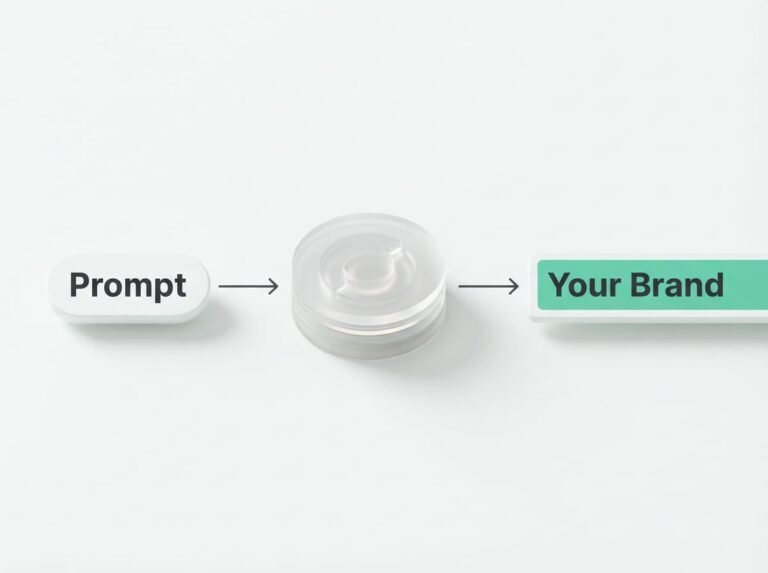
GEO — Generative Engine Optimization
The discipline of being the brand AI recommends. We engineer the entity, content, and citation signals that make LLMs name you in the answer.
- AI visibility audit & citation benchmarking
- Entity and knowledge graph optimization
- llms.txt, schema & AI-crawler readiness
- Monthly AI share-of-voice reporting
Performance Marketing
B2B paid search and paid social run like a revenue function — measured on cost per qualified pipeline, not clicks, impressions, or lead volume.
- B2B paid search & demand capture
- Paid social & account-based media
- Creative testing & landing page CRO
- CRM-connected attribution to closed revenue
Enterprise SEO Services That Move Sites, Not Slide Decks
Most enterprise SEO agencies deliver a strategy your team can't implement. We're structured the opposite way: engineers, content strategists, and SEO leads on the same team, shipping into your stack on your release cadence.
The result is a program that survives contact with reality — governance your stakeholders accept, technical fixes that actually deploy, and content architecture built for the terms that create pipeline instead of traffic reports.
-
Technical SEO at enterprise scale
Crawl budget, indexation, Core Web Vitals, and schema governed across every template — plus migration insurance when you replatform.
-
Revenue-mapped content architecture
Topic clusters and money pages built from full-market intent modelling — every URL mapped to a buying stage and a conversion action.
-
Multi-market & international SEO
hreflang, market-specific demand research, and localisation governance across the US and UK.
-
B2B and SaaS specialisation
Dedicated playbooks for B2B SEO and enterprise SaaS SEO — JavaScript frameworks, docs, programmatic pages, and long committee-driven buying cycles.

GEO: Be the Brand the AI Recommends
When a procurement lead asks ChatGPT to shortlist vendors in your category, an answer is generated in about four seconds. Three or four brands get named. Everyone else is invisible — and the buyer never learns what they didn't see.
Generative engine optimization is how you get named. It is not a content refresh or a schema plugin. It is the deliberate engineering of the entity signals, citable assets, and third-party authority that large language models draw on when they decide who to recommend.
Because models learn from what is already cited, this compounds — and defaults are extraordinarily hard to displace. The enterprise brands establishing citations this year are building a moat their competitors will spend years trying to cross.
-
AI visibility audit
Hundreds of real buyer prompts tested across ChatGPT, Gemini, Perplexity, Copilot and AI Overviews — your citation share benchmarked against named competitors.
-
Entity & knowledge graph engineering
Making your organisation an unambiguous, well-connected entity that models can confidently name — schema, profiles, executives, products.
-
Citable asset creation
Proprietary data, benchmarks, and expert commentary in the formats LLMs quote — plus the digital PR that gets them onto sources AI already trusts.
-
Share-of-voice reporting
Citation share, sentiment, and AI referral traffic tracked monthly — the first metrics most boards have ever seen for AI search.
Enterprise GEO Audit
Most AI visibility checks assume one site in one country. Enterprise sites don't work that way. ChatGPT can recommend you in Dallas and ignore you in Manchester, a UK page canonicalized to the US one can leave AI quoting dollar prices to British buyers, and one weak location template can repeat across hundreds of pages. Our enterprise GEO audit scores every market separately out of 100, weights the results by revenue, and ranks fixes by what they protect. Here's how an enterprise GEO audit works, step by step, including the scorecard we use. Weighing software for an in-house team? Our comparison of enterprise GEO platforms covers the main options.

Performance Marketing Measured in Pipeline, Not Impressions
In enterprise B2B, the click is the cheapest part of the transaction. A single qualified conversation can be worth six figures, which is why paid search in this category routinely runs above $100 per click — and why optimising to lead volume quietly destroys margin.
We manage B2B paid media to the only metrics that survive a board review: cost per qualified opportunity, pipeline created, and revenue closed. That means CRM-connected attribution from day one, aggressive negative-keyword discipline, and creative testing that treats offers as the primary variable.
-
B2B paid search & demand capture
Bottom-funnel search, competitor conquesting, and offer architecture built for long, committee-driven buying cycles.
-
Paid social & account-based media
LinkedIn and Meta programs targeted at buying committees, not job titles — sequenced by account stage and intent signals.
-
Creative & landing page CRO
Continuous creative testing plus conversion work on the pages the spend lands on — because media efficiency dies at the landing page.
-
Attribution & revenue reporting
Media data joined to your CRM so every channel is judged on opportunities and closed revenue — including the organic and AI channels running alongside it.

The Three Pillars Aren't Three Projects. They Compound.
This is the argument against your current vendor split — and the reason our clients consolidate.

SEO feeds GEO
AI engines overwhelmingly cite sources that already rank. Every ranking your SEO program wins raises the probability an LLM names you — so the same content investment pays twice.
Paid data sharpens organic
Paid search tells us within weeks which terms and offers actually convert. We point SEO and GEO at proven demand instead of guessing from volume estimates.
Visibility lowers CAC
Buyers who found you organically — or were recommended by an AI assistant — arrive pre-qualified and convert at a fraction of the media cost. Organic strength makes paid cheaper.
From Assessment to Compounding Growth
A structured start with clear gates — so procurement, legal, and your CMO all know exactly what happens and when.
Assessment
Full visibility audit across organic, AI engines, and paid — benchmarked against the competitors actually taking your pipeline.
Weeks 1–3Roadmap & Alignment
A prioritised plan with modelled impact, resourcing, and governance — presented to your stakeholders, not emailed as a PDF.
Weeks 3–5Execution Sprints
Technical fixes, content, entity work, and media builds shipping in fortnightly sprints against agreed acceptance criteria.
Month 2 onwardScale & Govern
Monthly business reviews on pipeline contribution, quarterly strategy resets, and continuous monitoring across all three surfaces.
OngoingWhat Makes This an Enterprise Engagement
"Enterprise" is not a bigger retainer. It's a different operating standard — and these are ours.

Named senior team
A dedicated strategy lead plus named specialists per pillar. The people in your pitch are the people on your account — a commitment we put in the SOW.
Security & compliance
NDAs, DPAs, and GDPR-aligned data handling as standard. Access provisioned to least privilege, with your security team's process, not ours.
Defined SLAs
Response times, sprint cadence, escalation paths, and reporting dates agreed in writing — so "we're waiting on the agency" stops being a status update.
Multi-market delivery
Programs running concurrently across the US and UK, with market-specific research, localisation, and compliance built into the plan.
Board-ready reporting
One dashboard covering rankings, AI citation share, media efficiency, pipeline and revenue — written so your CFO can read it without translation.
Integration with your team
We plug into your Slack, Jira, and sprint rituals — operating as an extension of your marketing function, not a vendor emailing decks from outside.
Paradigm vs the Traditional Enterprise Agency
The structural differences that show up in month three, not in the pitch.
| Traditional Enterprise Agency | Paradigm Media Networks | |
|---|---|---|
| Scope | Fifteen services, thin expertise across most of them | Three disciplines — search, AI visibility, performance — done at depth |
| AI search | A "GEO" line item added to the deck last quarter | A benchmarked, tracked, reported discipline with its own KPIs |
| Who does the work | Senior team pitches; juniors deliver | Named senior specialists, contractually assigned to your account |
| Implementation | Recommendations handed to your dev team | Our engineers ship the fixes, or deliver ticket-ready specs and validate them |
| Reporting | Rankings, impressions, and traffic charts | Citation share, pipeline created, cost per qualified opportunity, revenue |
| Speed | Quarterly planning cycles | Fortnightly sprints — audits become shipped changes in days |
| Commercials | Long lock-ins, opaque scope creep | Transparent scope, defined SLAs, and a roadmap you own either way |
Documented Outcomes, Each With Its Source
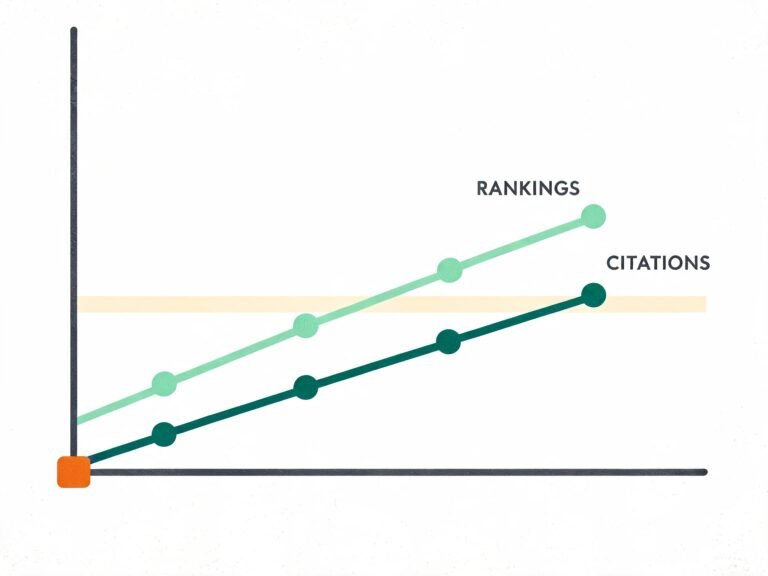
Moving Hub, US Market
Technical rebuild, answer-first guides and about 300 programmatic route and city pages took a long-distance mover from page three to the local map pack. Search Console, 16 Mar to 14 Sep 2026.
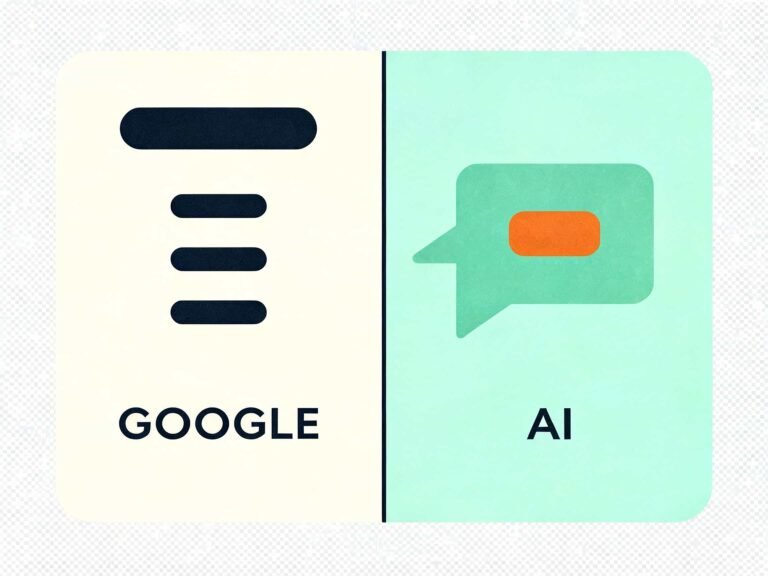
Moving Hub, AI Search
From zero AI presence to being named by ChatGPT, Google AI Mode, AI Overviews, Perplexity and Gemini. AI Performance report, 28 Jun to 6 Sep 2026.
HVAC Contractor, US Market
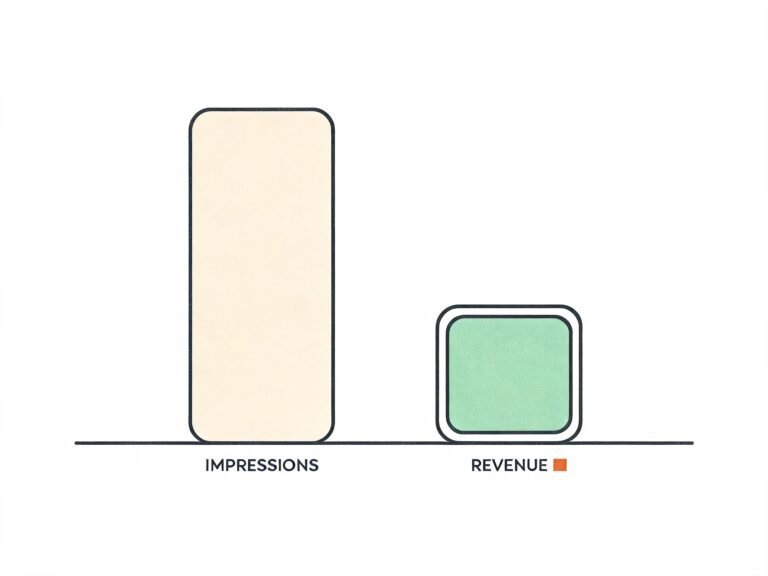
Up from 10 to 12 calls a month with $0 ad spend, after a rebuilt Google Business Profile and seasonal page sets. Call tracking and GBP insights.
Ask an AI Who Leads Your Category. Then Call Us.
If your brand isn't in that answer — or isn't in the top three organic results your buyers actually click — we'll show you precisely why, who is taking that visibility, and what closing the gap is worth in pipeline.
See the work, then the numbers
Moving Hub: 2,460 AI citations in 90 days
Programmatic SEO, GEO and paid media run as one revenue engine.
Retainer pricing plans
Transparent monthly plans — enterprise scopes are built on top of these.
About Paradigm Media Networks
Who we are, how we work, and the markets we serve across the US and UK.
Enterprise SEO, GEO & Performance Marketing — Answered

Have a question specific to your organisation?
Ask a Senior StrategistThe Answers About Your Category Are Being Written Now
Rankings compound. Citations compound. Media efficiency compounds. All three reward the brand that starts first — and punish the one that waits for the trend to be undeniable. Start with a 30-minute conversation with a senior strategist.
Enterprise SEO, GEO & performance marketing · United States · United Kingdom