


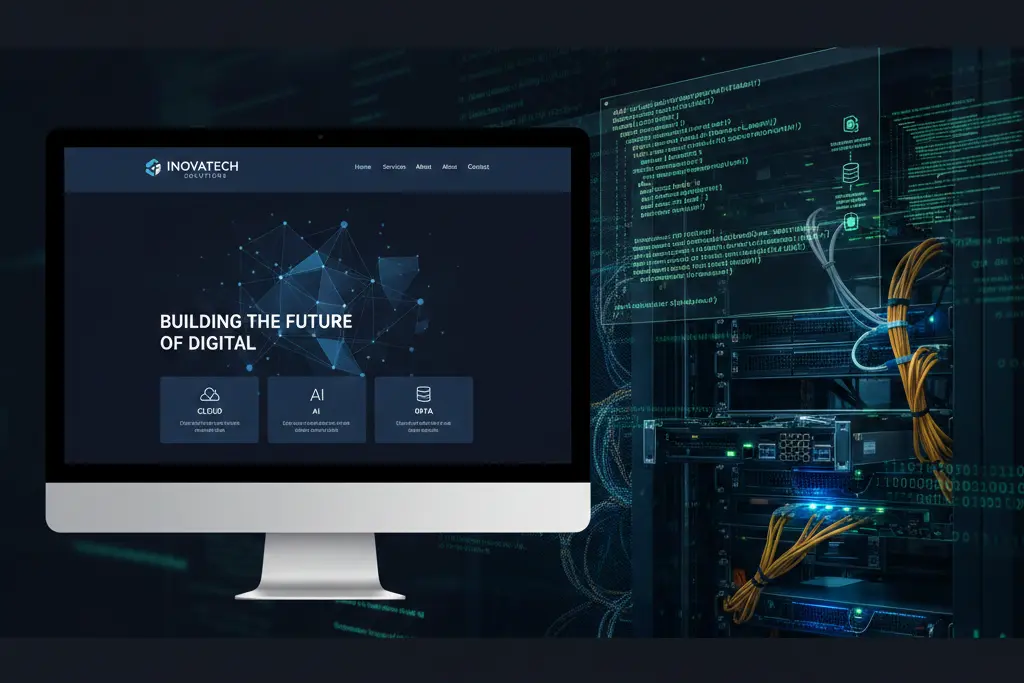
In today’s digital landscape, websites aren’t just pretty faces anymore. They’re complex ecosystems. Every smooth scroll, every instant notification, every secure transaction—it all happens because frontend and backend development work together like a well-rehearsed dance.
Think about it. You’ve probably abandoned a slow-loading website. Or gotten frustrated with a clunky checkout process. That’s what happens when development goes wrong.
We’ve seen it countless times. Businesses invest thousands in beautiful designs, only to watch them crumble under real-world traffic. Or they build rock-solid backends that users never engage with because the interface feels like it’s from 2010.
Here’s the truth: understanding the difference between frontend and backend development isn’t just for developers. It’s for business owners, marketers, and decision-makers who need websites that actually drive results.
What Is Frontend Development?
Frontend development is where your brand meets your audience. It’s the visual layer, the interactive elements, the experience that makes users stay or leave within seconds.
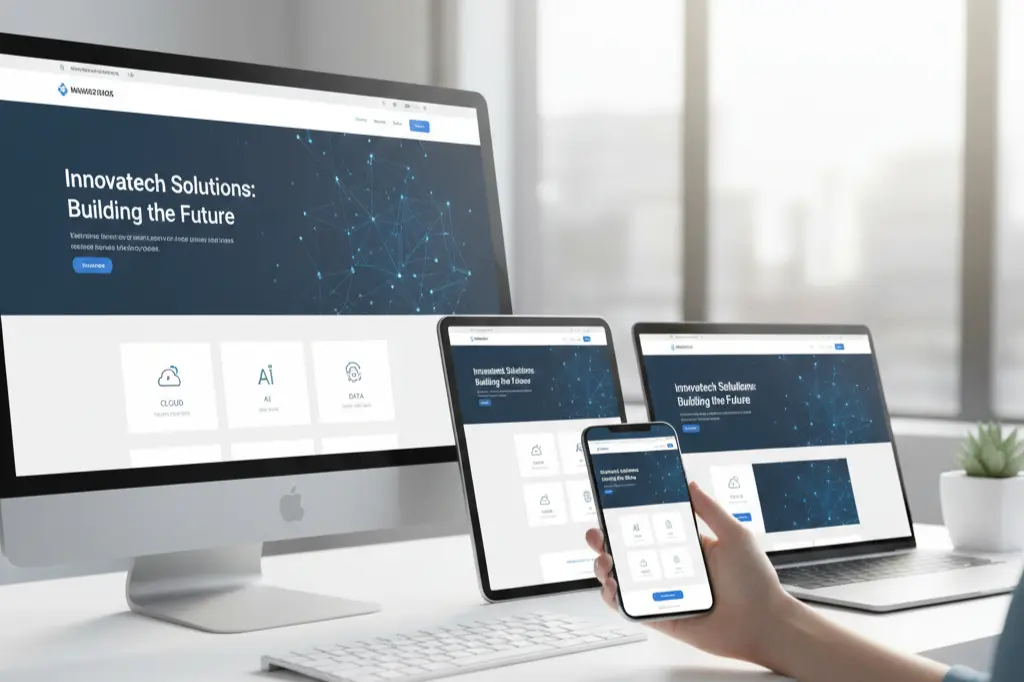
We’re talking about buttons that respond when clicked. Forms that guide users without confusion. Colors that match your brand. Layouts that work on phones, tablets, and desktops without breaking.
What Frontend Developers Actually Do
They translate design mockups into living, breathing interfaces. Every hover effect. Every animation. Every pixel-perfect alignment.
But here’s what most people miss—frontend development services aren’t just about making things look good. They’re about:
- Loading pages in under 3 seconds (because that’s all the patience users have)
- Creating intuitive navigation that doesn’t require a manual
- Ensuring accessibility for users with disabilities
- Optimizing for search engines to actually find your content
- Building interfaces that convert visitors into customers
When we build frontend solutions at Paradigm Media Networks, we’re not just coding. We’re solving business problems through user experience. Our approach to full website development services ensures every interface element serves a strategic purpose.
Technologies That Power Modern Frontends
The frontend vs backend technologies landscape changes fast. What worked two years ago might be outdated today.
Right now, the industry standards include:
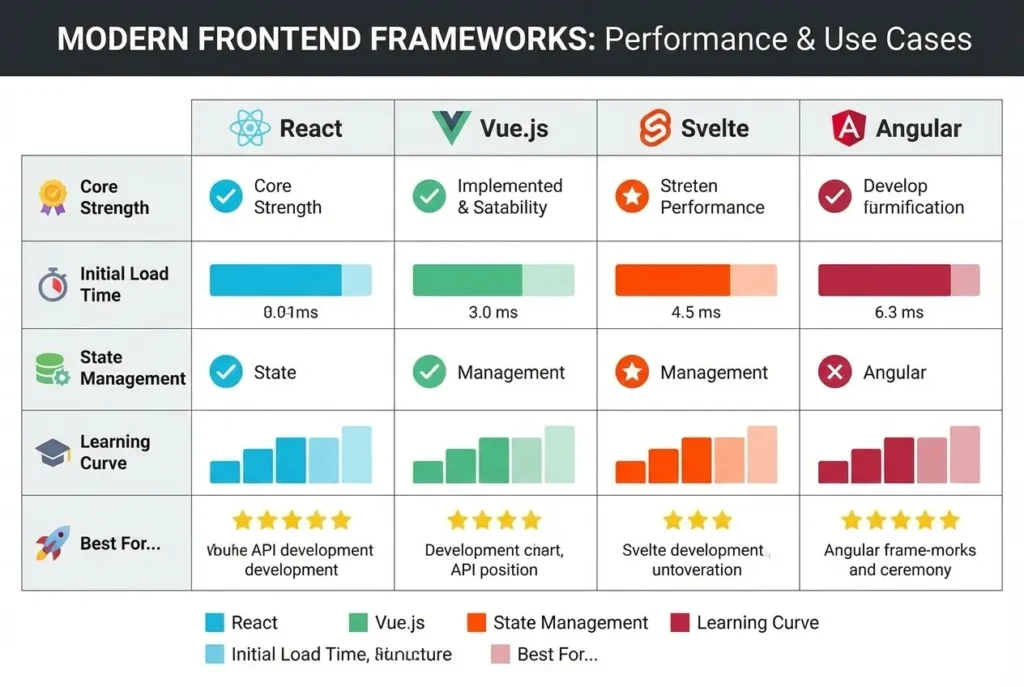
- React.js for dynamic, component-based interfaces
- Vue.js for lightweight, fast applications
- Angular for enterprise-level platforms
- Next.js for SEO-friendly React applications
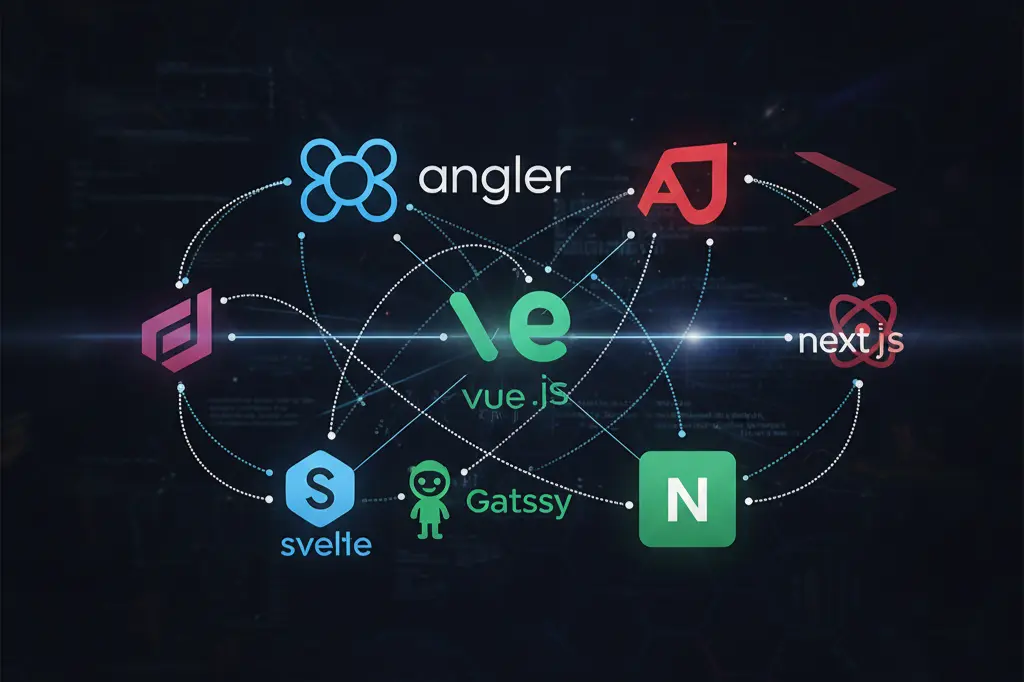
Each has its strengths. React dominates the market. Vue offers simplicity. Angular provides structure for large teams. Next.js bridges the gap between user experience and search visibility.
Choosing the wrong one? That’s like building a race car with bicycle wheels. It might move, but it won’t win.
What Is Backend Development?
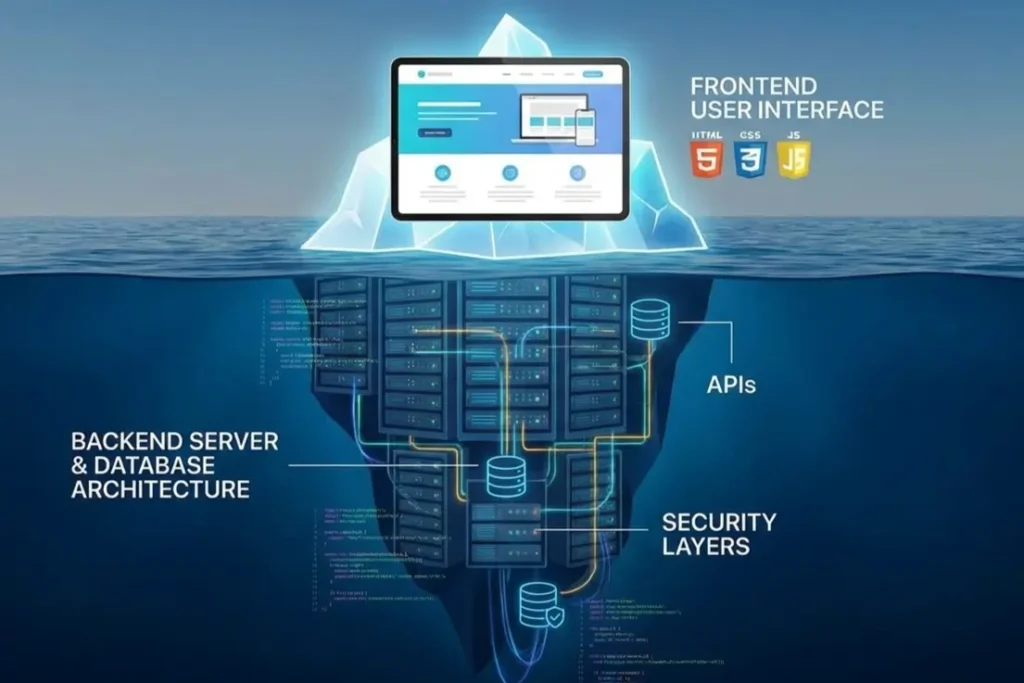
While users interact with the frontend, backend development is the invisible powerhouse running everything behind the curtain.
Think of it this way: the frontend is the restaurant dining room. The backend is the kitchen, storage, supply chain, and accounting system all rolled into one.

The Real Work Happens Here
Backend development services handle the critical operations that keep your business running:
- User authentication (keeping the bad guys out)
- Database management (storing and retrieving information instantly)
- Payment processing (handling transactions securely)
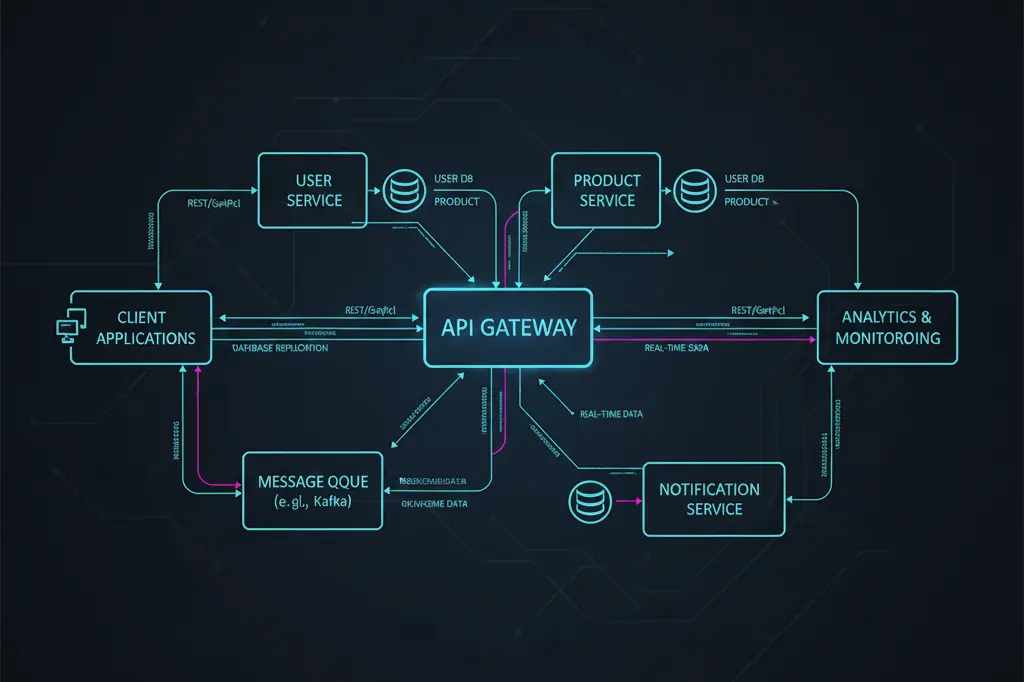
- API integrations (connecting different systems)
- Business logic (the rules that make your application unique)
We’ve rescued projects where beautiful frontends sat on top of backends that couldn’t handle 100 concurrent users. The result? Crashes during launch. Lost revenue. Damaged reputation.
That’s why backend architecture matters from day one.
Security Is Non-Negotiable
Here’s something we tell every client: backend security isn’t optional. It’s foundational.
Data breaches. Privacy violations. Regulatory fines. These aren’t scare tactics. They’re real risks that poorly built backends create.
Professional backend development services implement encrypted data transmission, secure authentication protocols, and regular security audits. Whether you’re building a simple business site or need custom web application development with complex user roles and payment processing, security must be baked into the architecture from day one.

Frontend vs Backend Development: Key Differences
Let’s cut through the confusion. The difference between frontend and backend development boils down to visibility and function.
Frontend Development:
- What users see and interact with directly
- Focuses on design, usability, and experience
- Uses HTML, CSS, JavaScript, and frameworks
- Requires understanding of user behavior
- Impacts first impressions and engagement
Backend Development:
- What happens behind the scenes
- Focuses on logic, data, and infrastructure
- Uses server languages like Node.js, Python, PHP, Java
- Requires understanding of databases and security
- Impacts performance, scalability, and reliability
Neither is “more important.” They’re two sides of the same coin. A beautiful frontend without a solid backend is lipstick on a pig. A powerful backend with a terrible frontend is a Ferrari with no steering wheel.
Popular Frontend Technologies
The frontend vs backend technologies ecosystem evolves constantly. What matters is choosing tools that serve your business goals, not just following trends.
React.js: The Industry Standard
React dominates for good reason. Component-based architecture. Massive community. Corporate backing from Meta.
We’ve built dozens of React applications. The learning curve is real, but the payoff—reusable components, faster development, better maintainability—makes it worth it.
Vue.js: The Pragmatist’s Choice
Vue offers simplicity without sacrificing power. Perfect for teams that want modern capabilities without React’s complexity.
Next.js: The SEO Game-Changer
Here’s where things get interesting. Next.js takes React and adds server-side rendering. That means better SEO, faster initial loads, and improved performance.
For businesses serious about organic traffic, Next.js isn’t just a good option. It’s often the best option.
Why Your Choice Matters
Picking the wrong frontend technology is like choosing the wrong foundation for a building. You might not notice immediately. But when you need to scale, add features, or improve performance, you’ll pay the price.
That’s why we start every web application development project with technology audits. Understanding your goals before writing a single line of code.
Backend Frameworks and Databases
Backend architecture determines whether your platform scales gracefully or collapses under growth.
Node.js: JavaScript Everywhere
Node.js lets developers use JavaScript on both frontend and backend. Fewer context switches. Faster development. Better code reuse.
We’ve seen startups launch MVPs in weeks instead of months because of Node.js efficiency.
Python: Clean and Powerful
Python with Django or Flask offers clean syntax and rapid development. Perfect for data-heavy applications, machine learning integrations, and complex business logic.
PHP with Laravel: Proven and Practical
Don’t let the PHP skeptics fool you. Modern PHP with Laravel is fast, secure, and battle-tested. Millions of websites run on it successfully.
Java Spring Boot: Enterprise Strength
For large organizations with complex requirements, Java Spring Boot provides structure, scalability, and integration capabilities that few alternatives match.
Database Decisions
Relational Databases (MySQL, PostgreSQL):
- Structured data
- Complex queries
- ACID compliance
- Traditional business applications
NoSQL Databases (MongoDB):
- Flexible schemas
- Horizontal scaling
- Real-time applications
- Rapid development
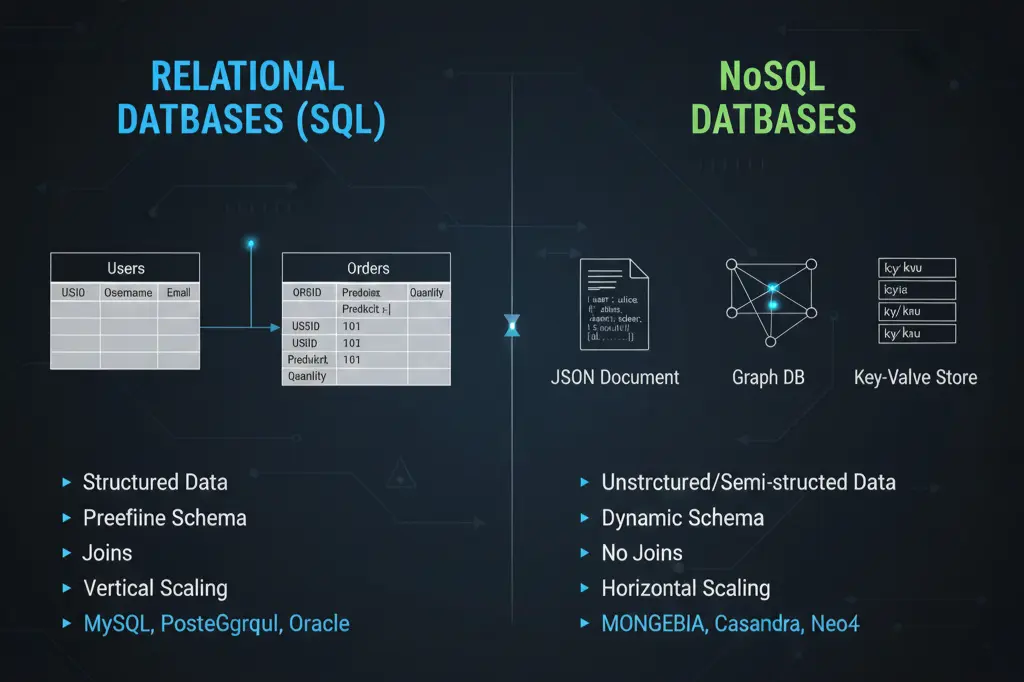
The database choice impacts everything: query performance, scaling costs, development speed, and data integrity.
Full-Stack Web Development Explained
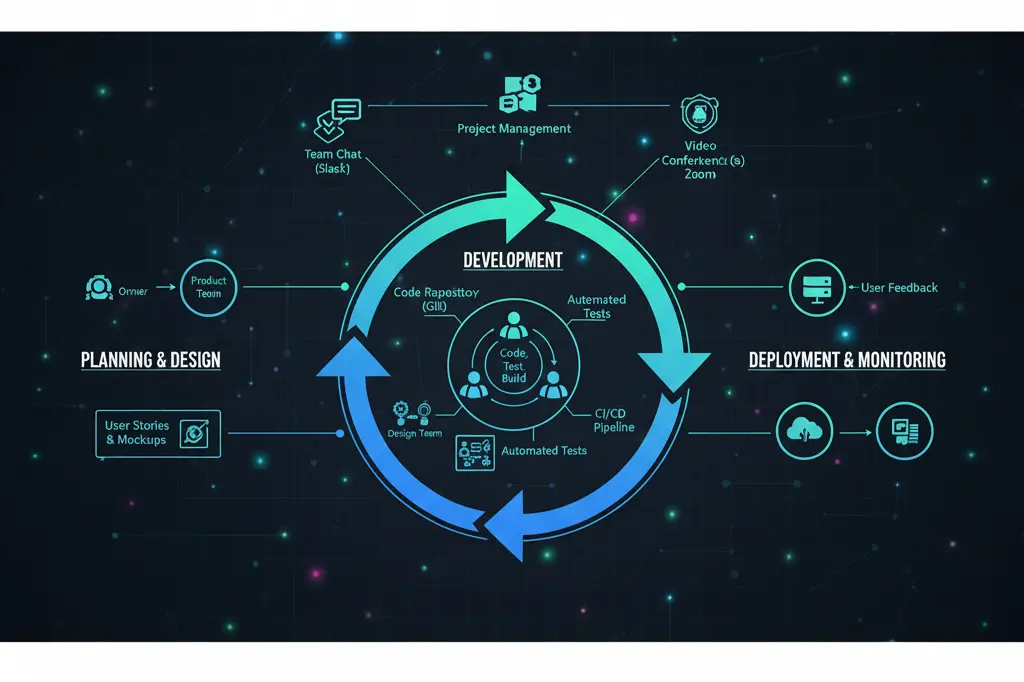
Full-stack web development brings frontend and backend expertise together. One team. Unified vision. Fewer handoff delays.
We’ve seen the alternative: frontend teams waiting on backend APIs. Backend teams building features nobody uses. Communication gaps that turn into costly mistakes.
Benefits of Full-Stack Development Services
When you choose full stack web development services, you get:
- Faster project delivery (no coordination delays)
- Consistent architecture (same team, same standards)
- Better problem-solving (understanding both layers)
- Cost efficiency (fewer specialists to manage)
- Easier maintenance (unified codebase knowledge)
When Full-Stack Makes Sense
Startups launching MVPs. Mid-size companies building new platforms. Anyone who values speed and consistency over specialized depth.
But here’s the nuance: full-stack web development doesn’t mean one person doing everything poorly. It means teams with overlapping expertise working cohesively.
For businesses that need content management flexibility, combining full-stack capabilities with CMS-based website development offers the best of both worlds—custom functionality where needed and user-friendly content control for marketing teams.
At Paradigm Media Networks, our full-stack approach means developers who understand both layers, backed by specialists when complexity demands it.
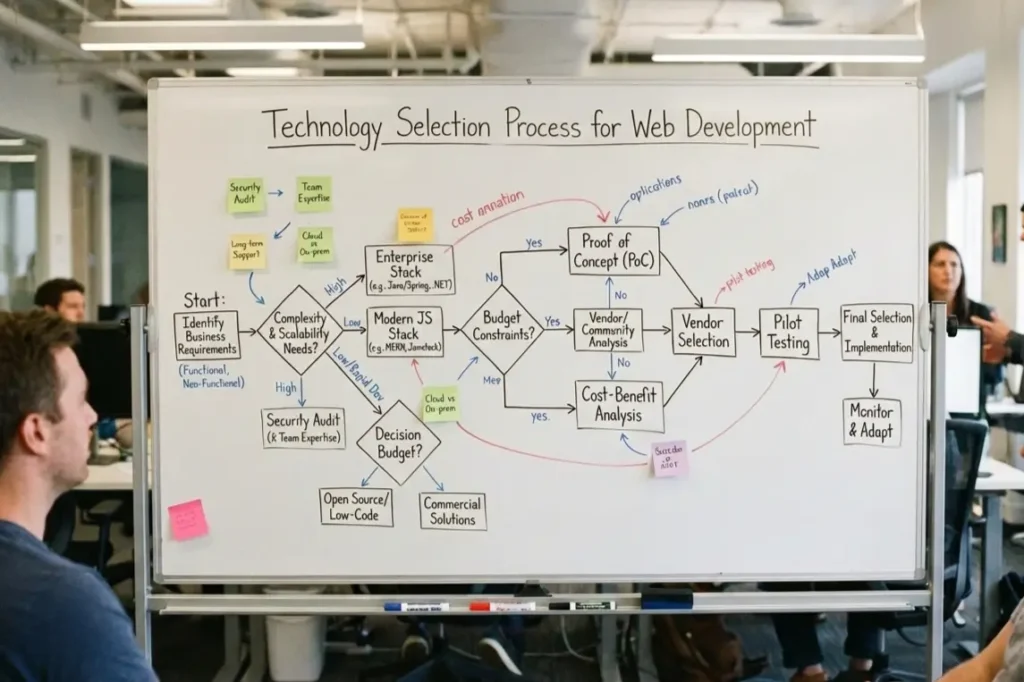
Choosing the Right Development Stack
Technology decisions made today echo for years. Choose wrong, and you’ll spend more time fighting your stack than building features.
Questions That Matter
What’s your traffic expectation?
A blog with 1,000 visitors monthly needs different architecture than an e-commerce platform handling 100,000 daily users.
How fast do you need to launch?
MVP speed vs. enterprise robustness require different approaches.
What’s your scaling plan?
Building for 100 users vs. 100,000 users demands different foundations.
What’s your budget reality?
Some stacks cost more to develop. Others cost more to maintain. Neither is wrong—just different trade-offs.
The Danger of Trend-Chasing
We’ve seen businesses choose technologies because they’re “hot” right now. Blockchain. Microservices. Serverless architecture.
Sometimes those are perfect solutions. Often they’re overcomplicated answers to simple problems.
The best technology stack is the one that solves your actual problems efficiently. Not the one that sounds impressive at conferences.
When businesses hire frontend and backend developers at Paradigm Media Networks, we start with your goals, not our preferences.
Why Paradigm Media Networks
Every agency claims they’re different. We’re not interested in claims. We’re interested in outcomes.
Here’s what we actually do differently:
We Build for Business, Not Just Code
Pretty websites that don’t convert? That’s not our game. We’ve built platforms that increased client revenue by 300%. Reduced bounce rates by 60%. Improved load times by 70%.
Those numbers didn’t happen by accident. They happened because we understand frontend and backend development as business tools, not just technical exercises.
We’re Transparent About Trade-Offs
Every technology choice involves trade-offs. Faster development might mean higher hosting costs. Better performance might mean longer build times.
We explain these honestly. No technical jargon designed to confuse. No pushing unnecessary complexity to inflate budgets.

Our Process Is Different
We don’t start with proposals. We start with understanding.
What’s your actual business problem? Not what you think you need—what your users need. What your metrics show. What your competitors are doing wrong.
Then we architect solutions that fit. Whether that’s frontend development services, backend development services, or complete full-stack web development.
We’re Long-Term Partners
Launch day isn’t the finish line. It’s the starting line.
Websites need updates. Technologies evolve. Business requirements change. Security threats emerge.
We’re here for all of it. Maintenance. Optimization. Scaling. New features. The ongoing work that separates successful platforms from abandoned ones.
Ready to Build Something That Works?
If you’re tired of agencies that overpromise and underdeliver. If you want partners who understand both technology and business. If you need web application development that actually drives results.
Let’s talk.
Visit us at https://paradigmmedianetworks.com/ or reach out directly. No pressure. No sales pitches. Just honest conversation about what your project needs and whether we’re the right fit.
Frequently Asked Questions
What exactly is the difference between frontend and backend development?
Frontend development creates everything users see and interact with—the visual design, buttons, forms, and animations. Backend development handles the behind-the-scenes logic, databases, server operations, and security that make the frontend actually work. Think of frontend as the restaurant dining experience and backend as the kitchen, storage, and management systems that make serving food possible.
Can one person handle both frontend and backend development?
Yes, these are called full-stack developers. However, for complex projects, specialized expertise in each area often produces better results. The question isn’t whether it’s possible, but whether it’s optimal for your specific project scale and complexity. When you hire frontend and backend developers as specialists, you often get deeper expertise in each domain.
Which matters more for SEO—frontend or backend development?
Both impact SEO significantly but in different ways. Frontend development affects page speed, mobile responsiveness, and user experience signals. Backend development influences server response times, structured data implementation, and crawlability. The best SEO results come from excellence in both areas, which is why full stack web development services can be advantageous for SEO-focused projects.
How much does professional frontend and backend development cost?
Project costs vary dramatically based on complexity, timeline, and requirements. A simple business website might cost $5,000-$15,000. A custom web application development project could range from $25,000 to $200,000+. The real question isn’t “what does it cost?” but “what’s it worth?” A well-built platform that drives revenue pays for itself. A cheap solution that loses customers costs far more in the long run.
What’s the advantage of full-stack web development services over separate teams?
Full-stack web development reduces communication gaps, speeds up development, and ensures architectural consistency. When frontend and backend developers work separately, you often get integration issues, delayed timelines, and finger-pointing when problems arise. Full-stack teams or agencies understand both layers, leading to smoother development and faster problem resolution.
How do I know if I need custom development or a template solution?
Templates work great for standard needs—blogs, simple business sites, basic portfolios. Custom frontend and backend development becomes necessary when you need unique functionality, specific integrations, high performance under load, or a competitive advantage through your platform itself. If your website is a marketing tool, templates might suffice. If it’s your product or primary revenue driver, custom development is usually worth the investment.
Take the Next Step Toward a High-Performance Website
Your website isn’t just a digital brochure anymore. It’s your sales team, your customer service representative, and your brand ambassador working 24/7.
But only if it’s built right.
Mediocre frontend development services create websites people abandon. Weak backend development services build platforms that crash when they’re needed most. Disconnected teams create friction that slows everything down.
Paradigm Media Networks does it differently. We’ve built our reputation on delivering web application development that actually moves business metrics. Not just launching websites—but creating digital platforms that drive real growth.
Whether you need frontend polish, backend power, or complete full stack web development services, we’re here to help you build something that works.
Ready to stop settling for “good enough” and start building something exceptional?
Let’s have a real conversation about your project. No obligation. No pressure. Just honest expertise and clear recommendations.
Connect with Paradigm Media Networks today: https://paradigmmedianetworks.com/
Your users are waiting for a better experience. Your business is waiting for better results. Let’s build them together.